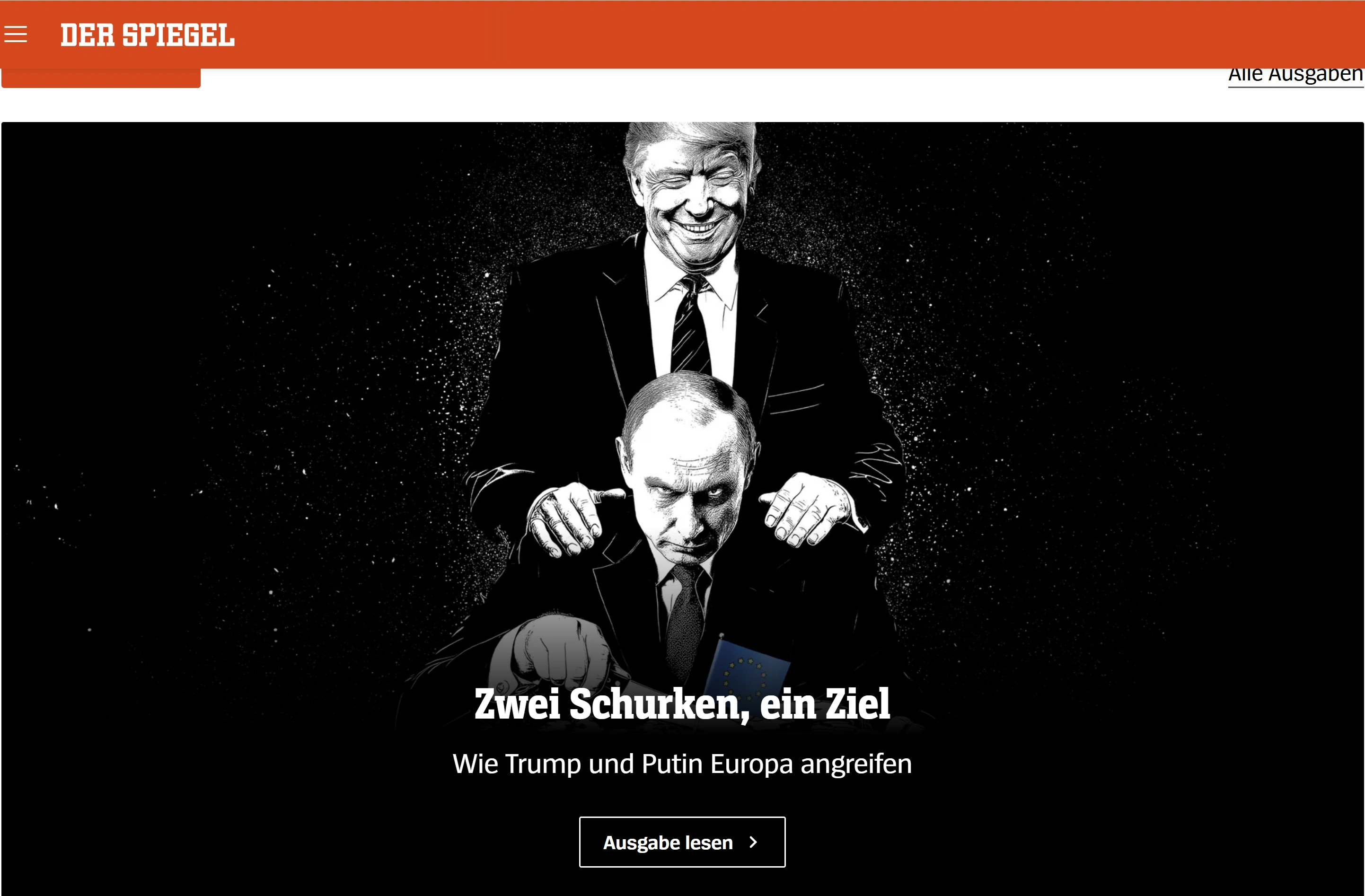
Zwei Schurken

Spiegel:

😀 Spiegel, faithful Atlanticist that it is, now apparently feels jilted.

Kommentare deaktiviert für Zwei Schurken

The war in Ukraine might, in a few years, look like Brexit or Covid

Volodymyr Ishchenko:

I’m afraid that even the war in Ukraine might, in a few years, look like something we recall the way we recall Brexit or Trump’s election or COVID: shocks that seemed unimaginable, but then every year we get an even bigger catastrophe.

The future is scary and unknown. We cannot even imagine what is coming next. On the agenda is the escalation of the climate crisis, even the threat of nuclear war. These are existential threats to humanity – and we need to be very serious about them.

Kommentare deaktiviert für The war in Ukraine might, in a few years, look like Brexit or Covid

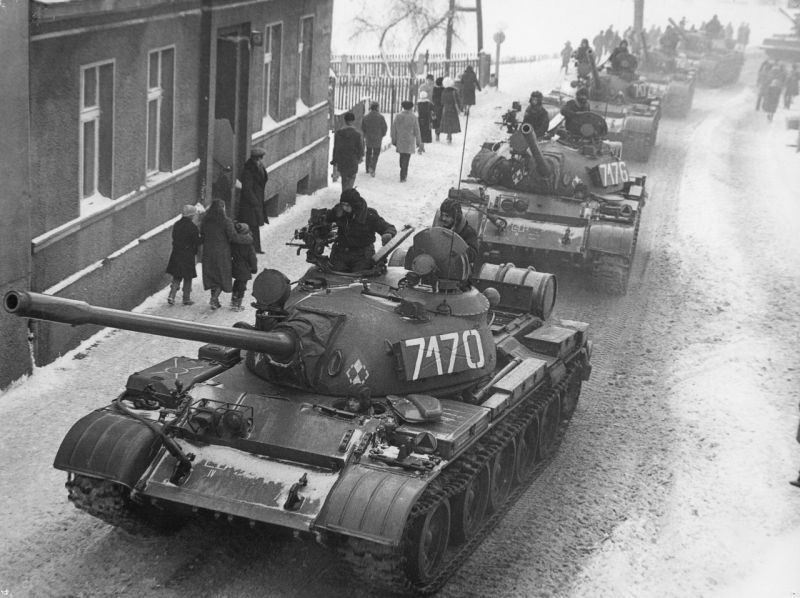
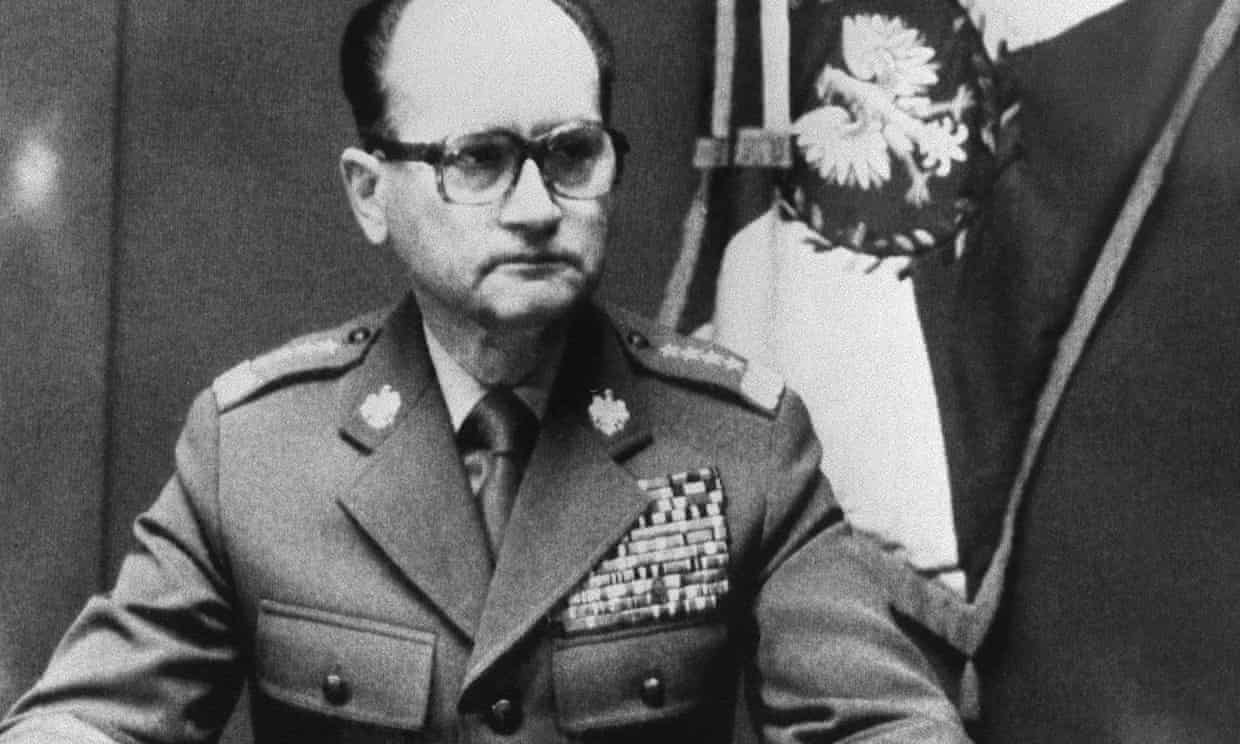
13.12.1981

Kommentare deaktiviert für 13.12.1981

Nina Hagen – Somebody Prayed for Me


You know, people comment on something by saying „I have no words“, and most of the time this just sounds to me trite, just cheap rhetoric. But here – here I really don’t know what else to say.

Kommentare deaktiviert für Nina Hagen – Somebody Prayed for Me

Kommentare deaktiviert für

07.12.1970

Donald Tusk:

„Man musste irgendetwas tun“
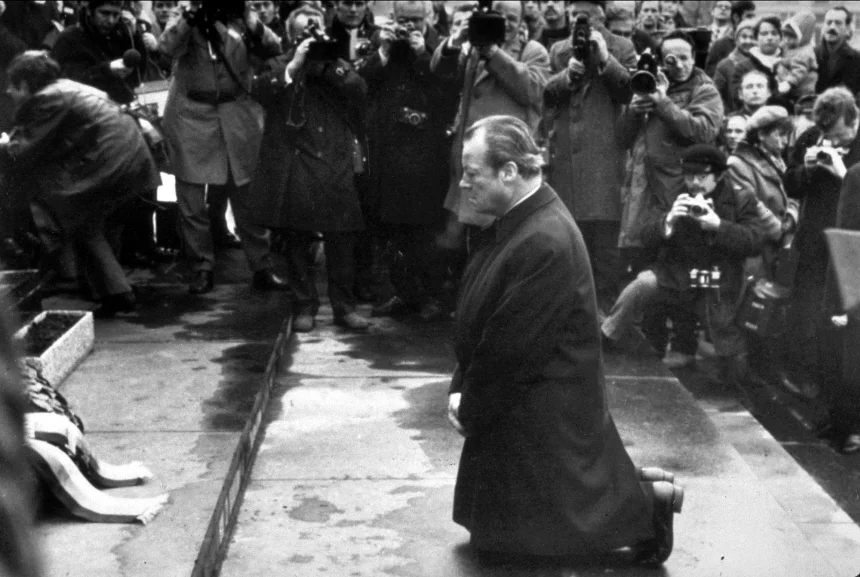
Mit dieser Geste hatten eigentlich alle irgendein Problem. Für den Ersten Sekretär der Kommunistischen Partei Polens, Władysław Gomułka, war der Besuch Willy Brandts die Krönung seiner jahrelangen Bemühungen um die Anerkennung der Oder-Neiße-Grenze. Das war nicht einfach gewesen, auch weil Walter Ulbricht aus seinem Ärger kein Geheimnis machte: schließlich hatte die DDR die Grenze schon lange anerkannt – wozu brauchte Polen jetzt unbedingt auch die westdeutsche Bestätigung? Gomułka allerdings wusste genau, welche große Bedeutung für ihn eine solche Erklärung von beiden deutschen Staaten hatte, und deswegen sollte der Besuch Brandts zu seinem ganz persönlichen Triumph werden. Gomułka wollte im Mittelpunkt des Ereignisses stehen.

Objektiv gesehen, war der Besuch tatsächlich ein Erfolg für Warschau. Auf diese Weise war für die Bewohner der polnischen Westgebiete (also des vom Dritten Reich verlorenen Terrains) endlich die Zeit der Unsicherheit vorbei. Ob in Stettin oder Breslau – diese Unsicherheit war damals immer noch sehr gegenwärtig: die Menschen dachten, womöglich seien die Nachkriegs­grenzen nur ein Provisorium, das die nächste geopolitische Umwälzung nicht überleben würde.

Wenn Brandt vor dem Grabmal des Unbekannten Soldaten gekniet hätte: das hätte man noch in den offiziellen Narrativ einbauen können, aber vor dem Ghettodenkmal? Gomułkas Verlegenheit war auch deswegen so groß, weil dieser gerade erst vor zwanzig Monaten eine ekelhafte antisemitische Kampagne losgetreten hatte, wegen der Tausende polnischer Juden – Holocaust-Überlebende – das Land für immer verlassen hatten. Und die, die geblieben waren, verloren ihre Arbeitsplätze und wurden ziemlich grausam schikaniert. Auch das war ein Grund, warum der Kniefall vor dem Ghetto—Denkmal erfolgreich von der kommunistsichen Zensur aus dem kollektiven Gedächtnis der Polen für viele Jahre gelöscht wurde.

Ω Ω Ω

In einem Gespräch im Familienkreis beschrieb er [Brandt] seine Motive allerdings auf prosaischere und vielleicht auch ehrlichere Weise: „Man musste irgendetwas tun.“

Ω Ω Ω

…begannen kaum eine Woche nach dem Besuch Brandts ganz andere Ereignisse und Symbole, unsere Emotionen zu prägen.

Am 13. Dezember beschloss Gomułka eine drastische Erhöhung der Lebensmittel­preise. Schon am Tag darauf brachen Proteste aus, die von Polizei und Militär blutig niedergeschlagen wurden. In meiner Stadt brannte die Zentrale der Kommunistischen Partei, auf streikende Werftarbeiter und Demonstranten wurde in den Straßen geschossen, und zufällige Passanten niedergeknüppelt. Zum ersten Mal im Leben spürte ich am eigenen Leib, was Unterdrückung durch ein autoritäres System eigentlich heißt.

Zum Symbol des Jahres 1970 wurde also für mich, wie auch für das kollektive Gedächtnis der Polen, nicht die historische Geste Brandts, sondern Tote und Brände in den Straßen unserer Stadt. Ironie der Geschichte: dieser blutige Aufstand spielte sich ab in Danzig, Stettin und Elbing, also just in den Gebieten, deren Zugehörigkeit zu Polen gerade durch Gomułka und Brandt endgültig bestätigt worden war.

Ω Ω Ω

Aber kehren wir zurück zu den Worten Willy Brandts: „Man musste irgendetwas tun.“ Wenn ich heute zurück blicke, verstehe ich sehr gut, wie wichtig dieser ganz einfache Imperativ ist. Nicht endlos kombinieren und kalkulieren. Ich weiß ja nicht genau, wie es in Wirklichkeit ablief, aber ich will glauben, dass er niederkniete, weil „man etwas tun muss.“ So wie damals, als er eine norwegische Uniform anzog. So wie diese Polen, die unter Lebensgefahr in der Shoah Juden versteckten, so wie die Danziger Arbeiter, die sich den Panzern entgegen stellten. So wie heute die Frauen in Minsk, in Belarus, die demonstrieren, obwohl sie niedergeknüppelt werden. Ganz zu schweigen von den Helden des Warschauer Ghettos, die auch wussten, dass „man etwas tun musste“.

Diese essentielle Botschaft ist heute so gültig und so wichtig wie eh und je. Ich möchte sie allen Europäern widmen, und besonders den europäischen Politikern. Wenn wir unseren Werten treu bleiben wollen, dann müssen wir manchmal niederknien. Und manchmal auf den Barrikaden stehen. Mutig und kompromisslos im Angesicht des Bösen, bescheiden im Angesicht der Wahrheit und des Leidens. So wie Willy Brandt am 7. Dezember 1970.
Kommentare deaktiviert für 07.12.1970

Pawel Moscicki on class warfare in Poland and elsewhere

Pawel Moscicki:

Although after the collapse of the USSR it was decreed that class struggle no longer existed and did not describe any reality, it did not end. Only Capital is winning this battle so decisively that the struggle itself is no longer noticeable. The ruthless victory of the ruling classes means that today they have almost unlimited opportunities to exploit not only the working classes in poor and developing countries (which they also did when there was a peculiar truce in the Western core of the system, known as the welfare state), but also at home. Today, we live in a post-socialist era in the sense that, in essence, the Western world is one of the integral domination of financial capital over everything: the economy, politics, culture, not to mention society.

Ω Ω Ω

… in Putin’s Russia, the exercise of power by a narrow “clique” of bureaucrats has led to a reduction in the naturally centrifugal influence of the political capitalist class. Ultimately, the destabilization of the system by the oligarchs of the 1990s was brought to an end by a gesture of subordination to central authority, or rather, the centralization of their interests within the ruling group in the Kremlin.

In this way, the “collective Putin” can pursue long-term vested interests, stabilizing the system through political coercion, skillful management of interest groups, and even the incorporation of some elements of middle-class or working-class aspirations into the political process.

Ω Ω Ω

The war in Ukraine would thus be one manifestation of a much broader class conflict, the essence of which is the clash between the long-term interests of political capitalists (in Russia) and the alliance of the middle classes with international capital (in Ukraine). Of course, this conflict also exists within each of these countries, but today the centers of political power are more or less clearly divided along these lines.

Therefore, the war between Russia and Ukraine is also, in a broader sense, a war between the national bourgeoisie fighting for autonomy in a globalized world and the comprador bourgeoisie profiting and gaining power from subordination to international financial institutions.

And most dramatically, neither group is interested in peace today, because the ongoing conflict best secures their interests. The situation is similar in the West itself, where both the neoconservatives, who are overrepresented in the American bureaucracy, and their protégés in the European Union have a class interest in continuing the war rather than ending it.

Kommentare deaktiviert für Pawel Moscicki on class warfare in Poland and elsewhere

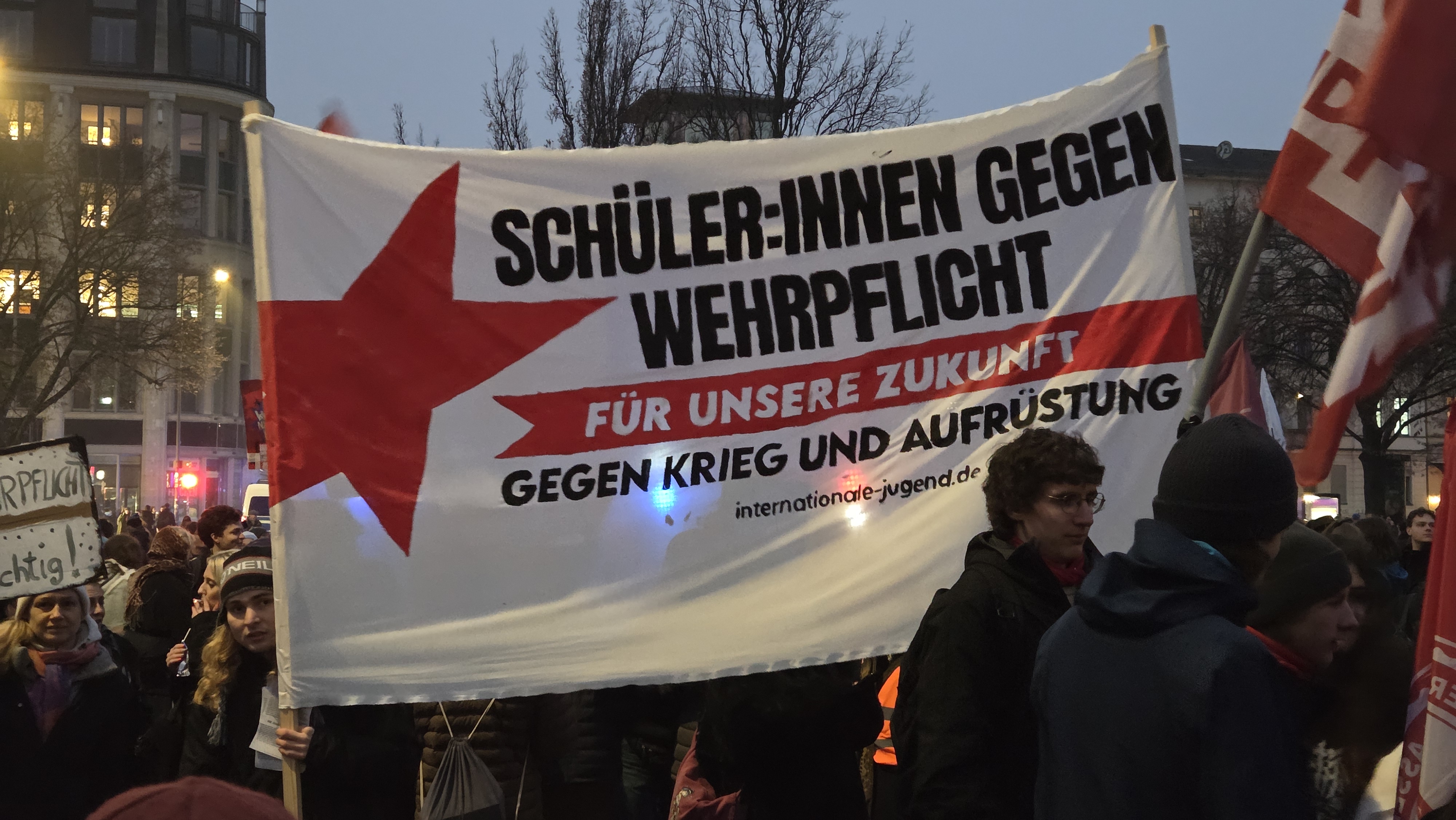
Oranienplatz

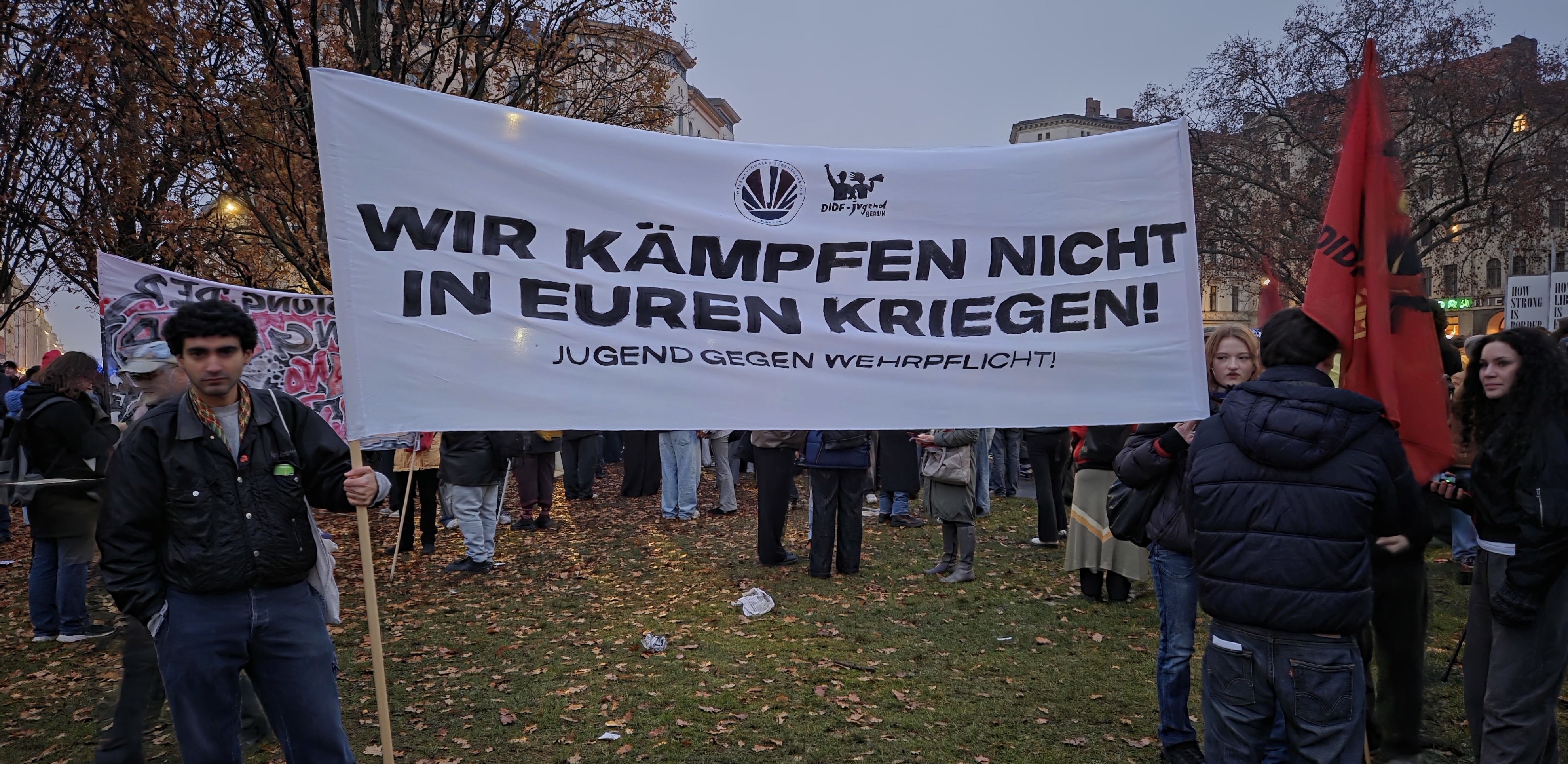
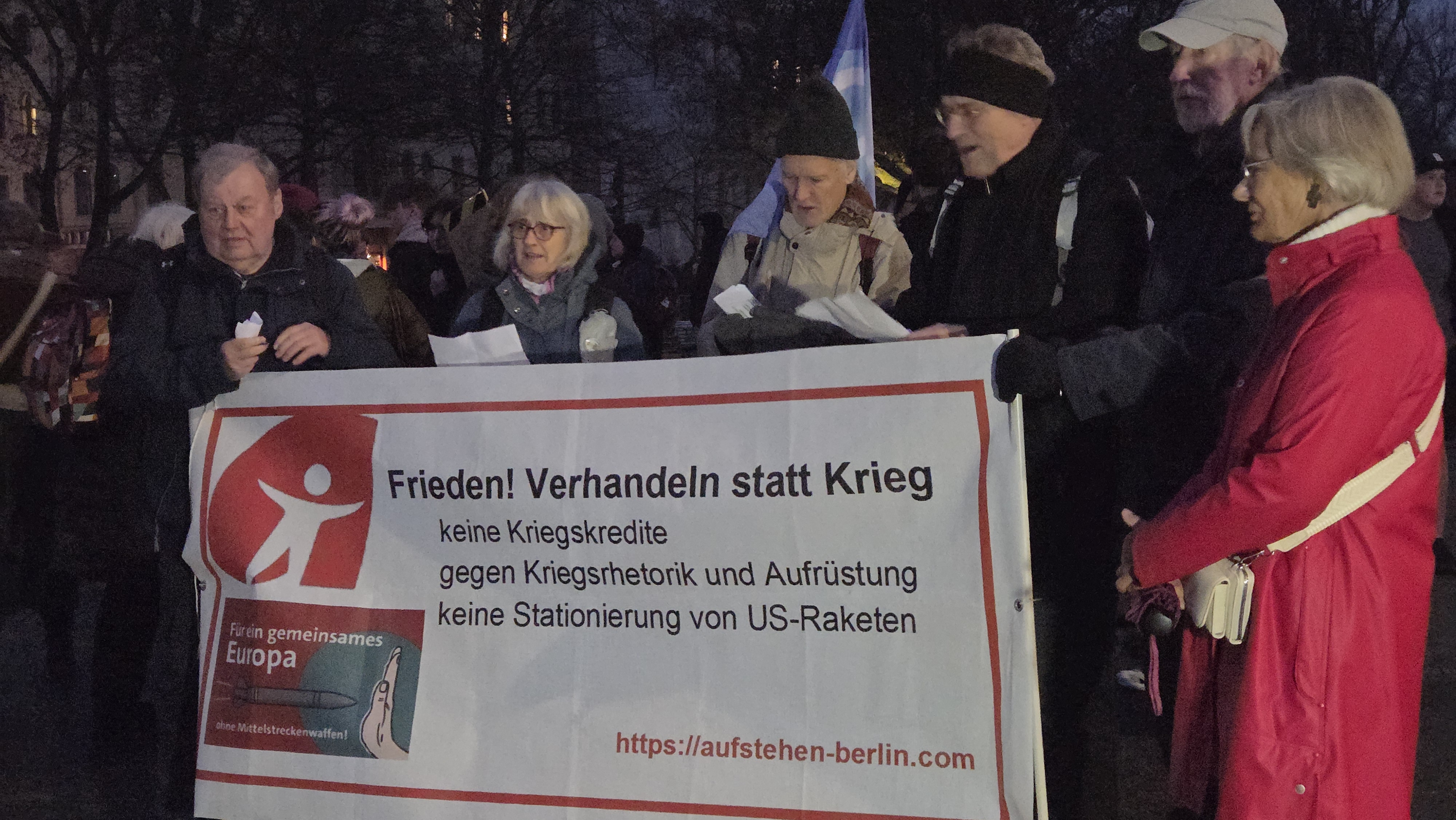
The Platz was pretty high energy, full of defiant kids.


Those of us older than 30 being represented by an Aufstehen group is amusingly appropriate. The aufstehen-berlin.com – note the „.com“ 🙂 site is really worth a look. It recounts the history of the group’s 2018 formation.

A good time was had by all, young and old. None of this was remotely visible outside of Kreuzberg, the heart of the already convinced.

Kommentare deaktiviert für Oranienplatz

Emerson Lake & Palmer, Zürich, 04.12.1970

Kommentare deaktiviert für Emerson Lake & Palmer, Zürich, 04.12.1970

Homo homini lupus est, as one inspired Latin saying has it. But man has long ceased being a wolf to man. Man is not even an image-maker to man, as some modern sociologists assume. It is all far more terrifying and much simpler than that. Man is wow to man – or if not to man, then to precisely another such wow, the result of which is that, projected on to the modern system of cultural coordinates the Latin saying becomes: ‚Wow Wow Wow!‘

Ω Ω Ω

It should be remembered that the word ‚democracy‘, which is used so frequently in the modern mass media, is by no means the same word ‚democracy‘ as was so widespread in the nineteenth and early twentieth centuries. The two words are merely homonyms. The old word ‚democracy‘ was derived from the Greek ‚demos‘, while the new word is derived from the expression ‚demo-version‘.

—Victor Pelevin, Babylon, (Great Britain: Faber and Faber Limited, 2000), 90.

Kommentare deaktiviert für